
-
Who is sahiy and what do they do?
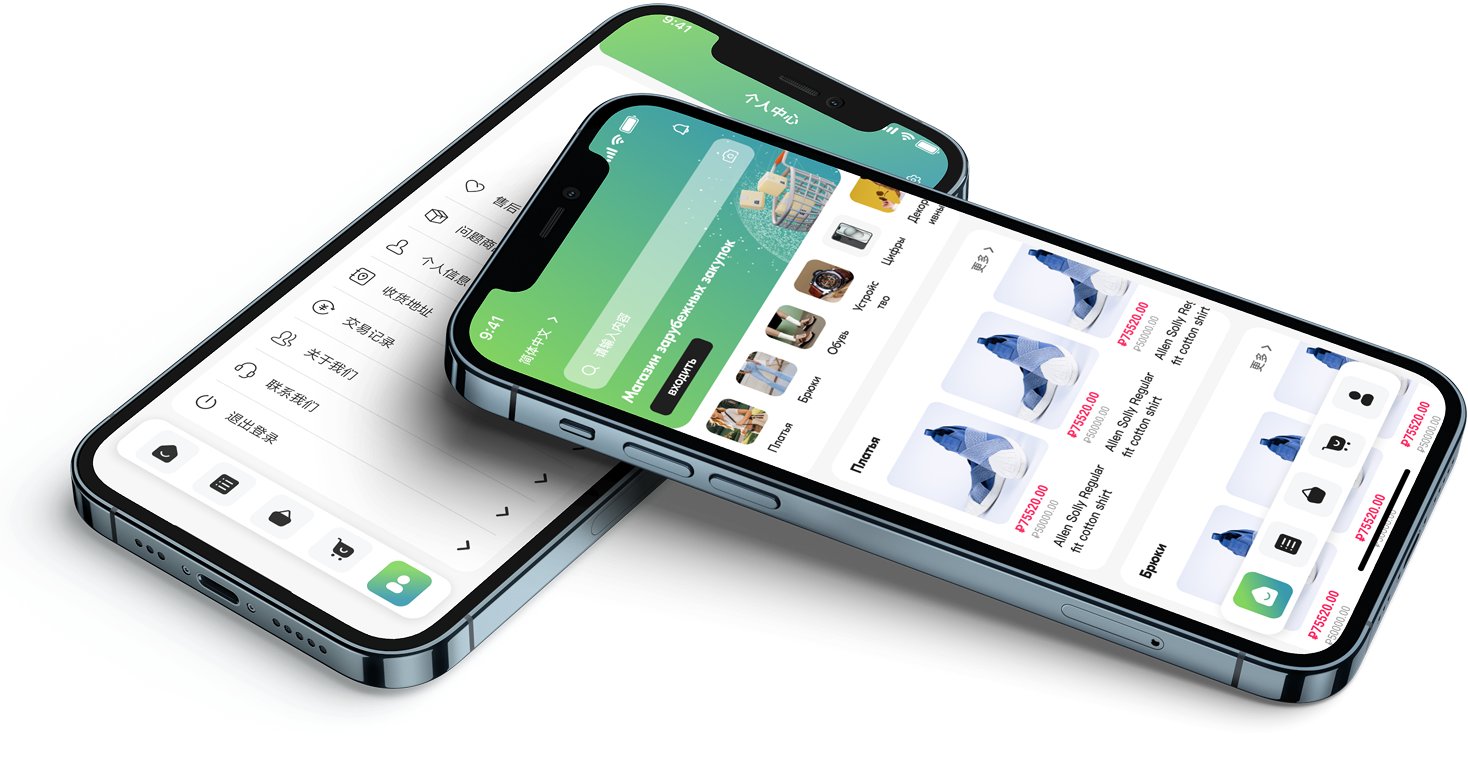
sahiy is a reverse-haitao ecommerce platform serving customers in Central Asia, especially in countries like Uzbekistan.
In simple terms, they help local users buy products from Chinese marketplaces such as Taobao and 1688, consolidate parcels, and ship them to Central Asia.
As ecommerce grows rapidly in the region, many consumers want access to Chinese products, but language barriers, payment issues, and logistics complexity make it hard to buy directly.
sahiy stepped in to bridge this gap and quickly built a loyal user base.
Today, sahiy has over 50K+ users and processes over 10k orders per day, and both figures are still growing.
- Before the system: everything was manual, messy, and stressful
Before working with us, sahiy already had demand and orders, but most operations relied on manual work.
That meant three problems: messy data, slow processes, and an exhausted team.
- Products: copy-paste and manual translation
The team manually copied product information from Taobao and 1688, translated it into local languages, and posted it on their website or social media.
As the number of SKUs grew from dozens to hundreds or even thousands, prices and stock data quickly became outdated and inconsistent. Customer service spent hours every day explaining why certain products were out of stock or why prices had changed.
- Orders: scattered across chats and spreadsheets
Most orders came through WhatsApp / Telegram. Customers sent links, sizes, and colors via chat, and staff transferred everything into Excel.
This might work with a small number of orders, but during promotions or holidays, chat histories exploded, making it almost impossible to keep track of all orders and payments accurately.
- Warehouse: paper notes and memory
When parcels arrived at the warehouse, staff used paper notes to mark which package belonged to which customer, then manually matched them with orders for packing and shipping.
As volumes grew, mis-sorted and missing parcels became common, hurting both user experience and team morale.
In short, sahiy was in a situation many growing businesses face:
“Orders are coming in, but the team is being crushed by operations.”
- Choosing a solution: why an all-in-one reverse-haitao system
As order volume increased, sahiy realized that simply hiring more staff wouldn’t solve the underlying problem.
They needed a system specifically designed for reverse-haitao and cross-border sourcing: from front-end ordering to purchasing from China, warehousing, and last-mile delivery.
They considered several options:
- Generic website builders + plugins Tools like Shopify are great for simple stores, but when it comes to integrating Taobao/1688 data and handling complex warehouse flows, they usually require a lot of custom plugins and development work, which increases cost and risk.
- Fully custom development by a local agency Custom development sounds flexible, but it is expensive, slow, and every new requirement can mean another long development cycle and additional cost.
After several rounds of comparison, sahiy decided to adopt our all-in-one SaaS system built specifically for reverse-haitao, daigou, and consolidation businesses.
The key reasons were:
- Direct integration with Chinese platforms such as Taobao and 1688, so orders can automatically generate purchase tasks without manual copy-paste.
- Multi-language and multi-currency storefront, allowing local users to browse in their own language and see prices in local currency.
- Built-in warehouse management, covering inbound, storage, picking, packing, and outbound processes in one place, instead of relying on paper notes and memory.
- How sahiy went live in around 30 days
To minimize disruption to ongoing operations, we co-designed a phased rollout with sahiy.
Week 1: Clarify the business model and system scope
- Define primary markets (e.g., Uzbekistan and neighboring countries) and core product categories.
- Map the full journey from customer order to final delivery: how customers place orders, how the team purchases from China, how parcels are received, consolidated, and shipped.
- Decide which steps should be handled in the front-end (self-service ordering, order status tracking) and which in the back-end (purchasing, warehouse, logistics).
Week 2: Build the storefront, set languages and currencies
- Use our front-end templates to create a site that matches local user habits in Central Asia.
- Configure local languages (e.g., Uzbek/Russian + English) and local currencies, so users see clear, all-inclusive pricing instead of raw CNY amounts.
- Import products from Taobao and 1688 in bulk; the system processes images, titles, and variations, with support for multi-language descriptions to reduce repetitive work.
Week 3: Implement warehouse workflows and barcodes
- Design a warehouse workflow tailored to sahiy’s actual operation: inbound → shelving → picking → packing → outbound.
- Generate a unique barcode for each parcel; once scanned, the system knows which customer and which order(s) it belongs to, significantly reducing mis-sorts and missing parcels.
- Configure weight and fee rules, so warehouse staff can work directly in the system without constantly asking customer service about how to charge each shipment.
Week 4: Connect payments, logistics, and migrate gradually
- Integrate local payment methods familiar to customers, improving trust and conversion.
- Guide existing active users to start placing orders on the new site/app, while keeping a transition period where customer service can still create orders on behalf of users who prefer chat.
- Monitor key metrics (success rate, processing time, error rate) and fine-tune settings in real time.
- Results: a few key numbers that matter
To respect client confidentiality, we won’t publish exact numbers here, but sahiy saw clear improvements within 3–6 months after going live with the system.
For example:
| Metric | Before (manual operations) | After 3–6 months on the system |
| Daily order processing capacity | Around 100 orders (beyond that breaks) | Around 10k orders (still manageable) |
| Time per staff on admin tasks | About 10 hours per day | Reduced to about 1 hours per day |
| Parcel error rate | About 30% mis-sorted/missing | Reduced to about 0% |
| Number of regions served | 1 | Expanded to 3-5 countries/regions |
| Time to launch new campaigns | 1–2 weeks per change | Most changes handled same-day |
- A stable, scalable backbone that allowed them to focus on growth, marketing, and product selection, instead of firefighting in Excel and chat apps.
- Confidence to invest in new channels and promotions, knowing that their system and warehouse processes could handle demand spikes.
6. For businesses considering a similar path
If you are running or planning a reverse-haitao, daigou, or consolidation business targeting Central Asia or the Middle East, you might be facing challenges very similar to what sahiy went through:- Increasing order volume but an overwhelmed team.
- Core operations scattered across chat apps and spreadsheets.
- Fear of scaling marketing because the backend cannot keep up.